
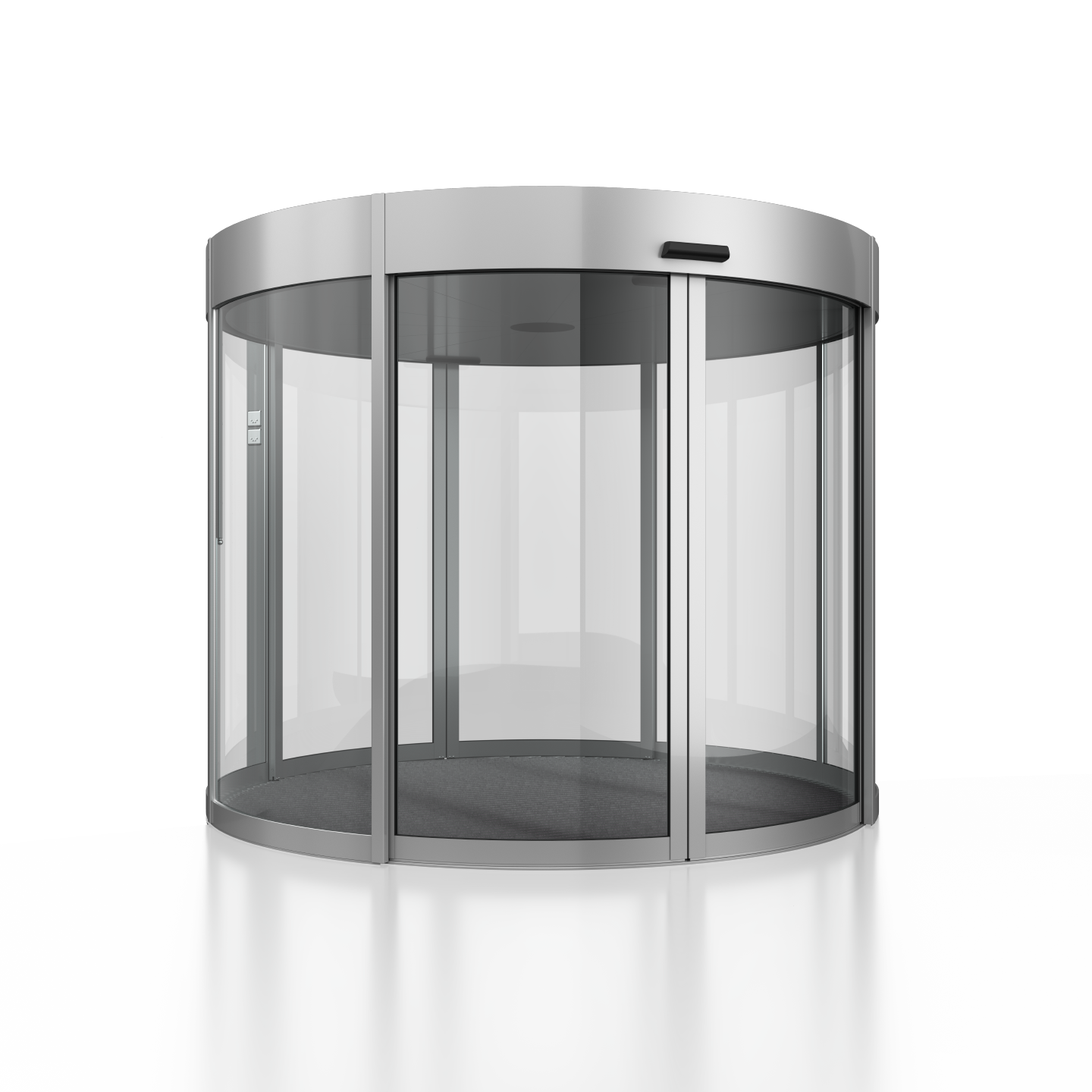
Revolving-entry category
Revolving Doors for Architectural Entry Selection
Use this page when the opening already points toward a revolving entry and the next step is sorting architectural fit, operating configuration, alternate-entry planning, and site-review questions before a quote or field review.
Revolving doors are usually selected for architectural entries that need continuous flow, draft control, and a defined lobby threshold without assuming the opening should be treated as a secured-entry system. The current public TurnstileOPS catalog includes Boon Edam revolving-door products, and Boon Edam publicly traces its business to 1873, its first Tourniket revolving door to 1903, and current North American manufacturing to Lillington, North Carolina.
Typical fit
Corporate headquarters, hospitals, airports, mixed-use towers, and other architectural entries that need controlled lobby flow, climate separation, and a premium threshold at the façade.
Plan carefully
Projects with unresolved alternate-entry accessibility planning, security-desk workflow, wind or stack-effect exposure, vestibule dimensions, service access, or egress and authority-review questions.
Usually not the first choice
Openings that are really choosing a secured-entry system, a portal-style checkpoint, a simpler swing or sliding entrance, or a budget-led perimeter lane rather than an architectural revolving threshold.
Comparison matrix
Revolving-door facts that are public today
Public row values stay visible when they exist; unsupported security, accessibility, egress, and commissioning assumptions stay listed as unknown or project-review items.
| Criterion | Circleslide | Needs project review |
|---|---|---|
| Architectural revolving-entry role on current public rows | Architectural revolving entries are usually presented as lobby or façade thresholds rather than as the default owner for every secured-entry opening. | Confirm whether the real question is façade entry planning or a separate secured-entry program before narrowing the shortlist. |
| Door configuration and wing layout | Unknown | Confirm wing count, enclosure style, traffic direction, and vestibule geometry against the actual opening and user mix. |
| Drive, activation, and operating mode | Unknown | Review automatic versus manual behavior, activation method, speed settings, and maintenance access with the operating team. |
| Diameter, canopy, and site fit | Unknown | Verify opening width, slab or threshold conditions, wind exposure, service clearance, and surrounding queue behavior from current site documents or a field walk. |
| Alternate accessible-entry path | Unknown | Keep alternate-entry width, assistance workflow, route geometry, and adjacent-door coordination with the current accessibility and project review. |
| Secured-entry, egress, and authority review | Unknown | Do not treat this page as proof of portal security, life-safety acceptance, breakout behavior, code compliance, or authority approval for the installation. |
| Current Boon Edam public manufacturer context | Current public Boon Edam context on this route points to a business founded in 1873, the Tourniket introduced in 1903, and North American manufacturing in Lillington, North Carolina. | Use dated manufacturer context as background only; confirm the actual shortlisted model, lead path, and support scope on the live project. |
| Integration and commissioning handoff | Unknown | Confirm reader ownership, security-desk workflow, startup, commissioning sequence, and service handoff before calling the entry deployment-ready. |
Selection criteria that usually decide the lane
- Decide first whether the opening is mainly an architectural revolving-entry program or a harder secured-entry decision. If deterrence, anti-tailgating review, or portal logic still owns the question, move to the secured-entry route instead of forcing those terms onto this page.
- Treat diameter, wing count, enclosure style, drive behavior, and door-wing speed as opening-specific configuration checks. A revolving-door family label does not settle the final layout by itself.
- Keep alternate accessible entry, assistance workflow, queue spill, and route geometry tied to the adjacent entry plan instead of assuming the revolving unit answers every circulation question.
- Carry egress, breakout, code, and authority review as project-review items tied to the actual opening, life-safety plan, and current jurisdictional requirements.
- Confirm activation, reader handoff, security desk workflow, startup, and commissioning responsibility before procurement so the revolving entry fits the live lobby operation.
6 products in this category
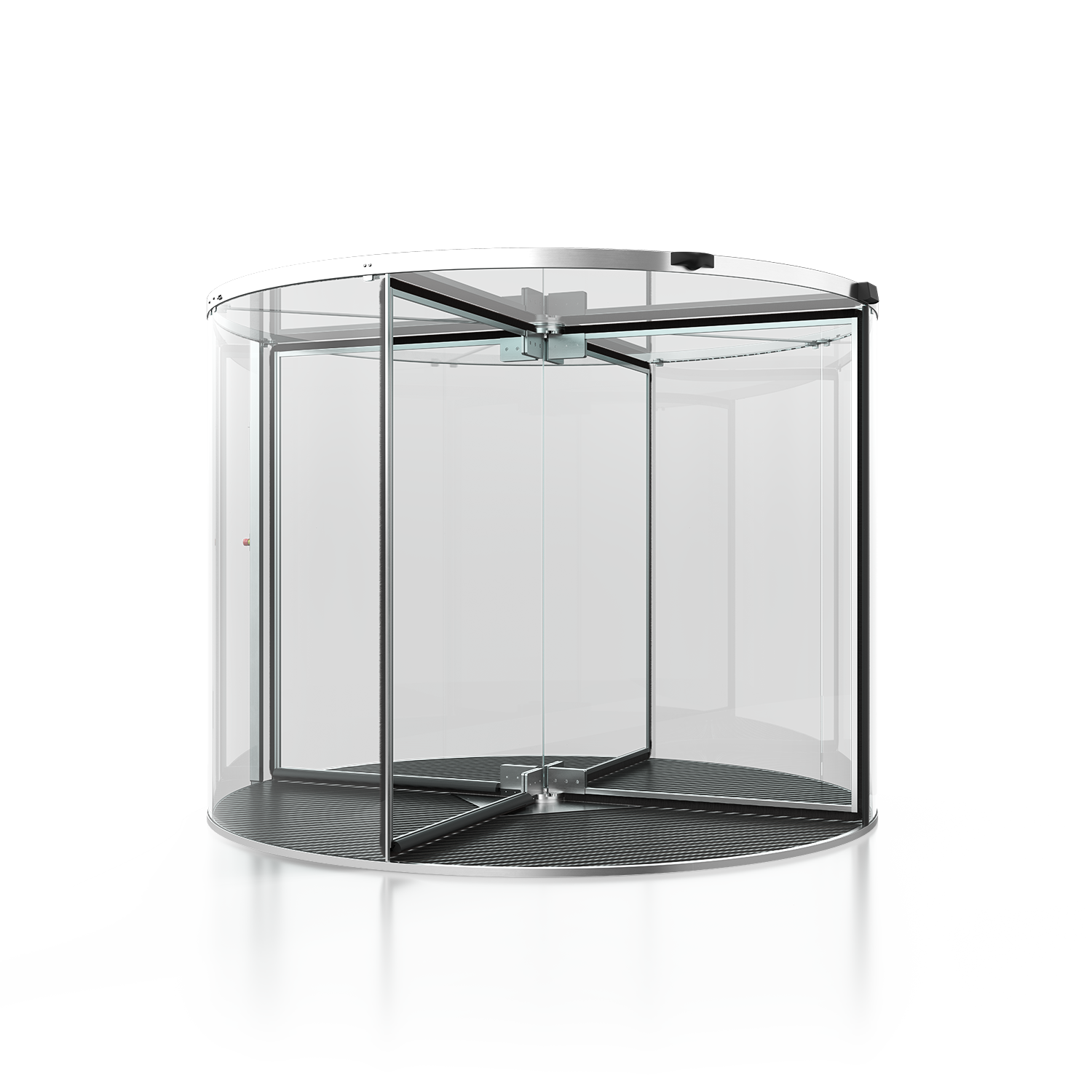
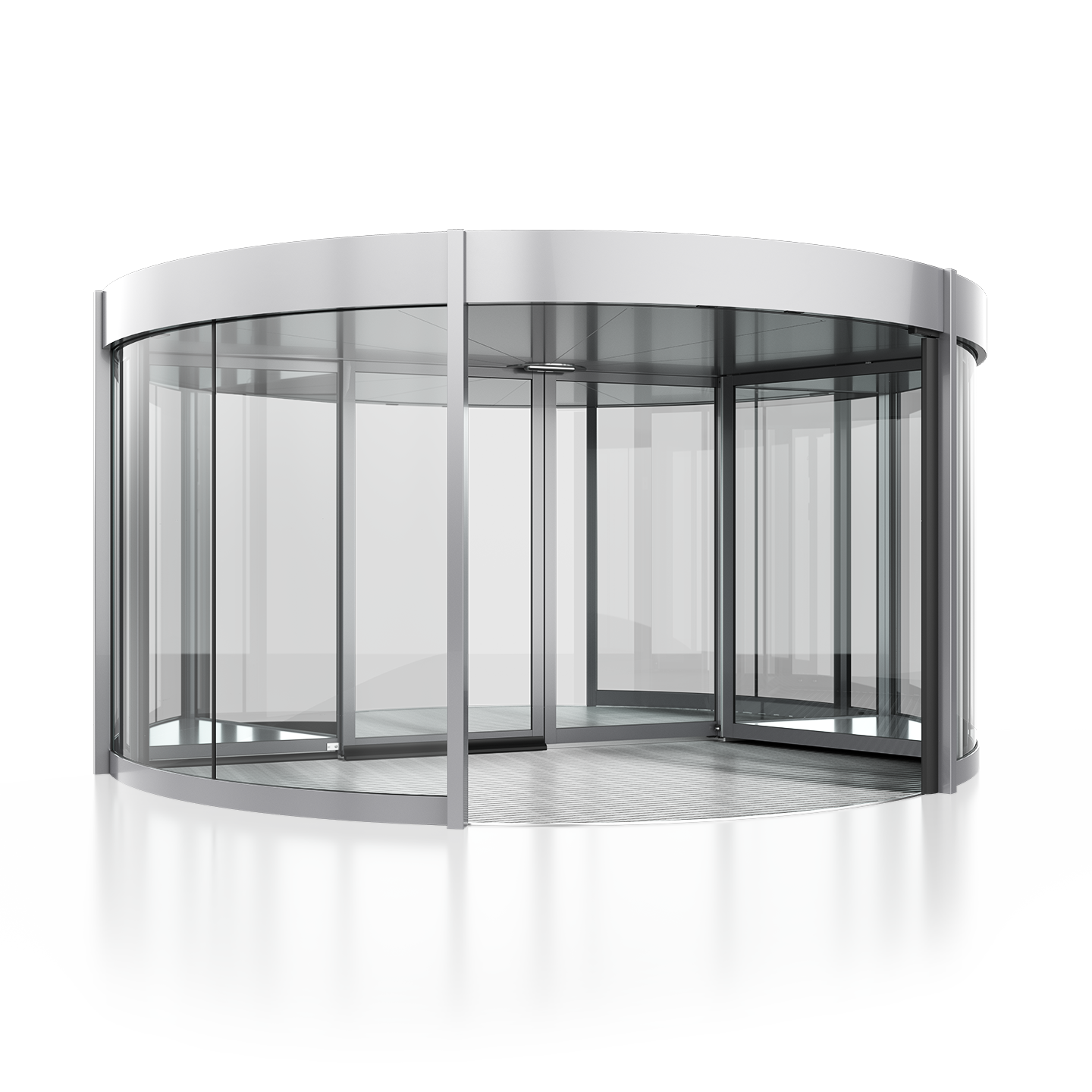
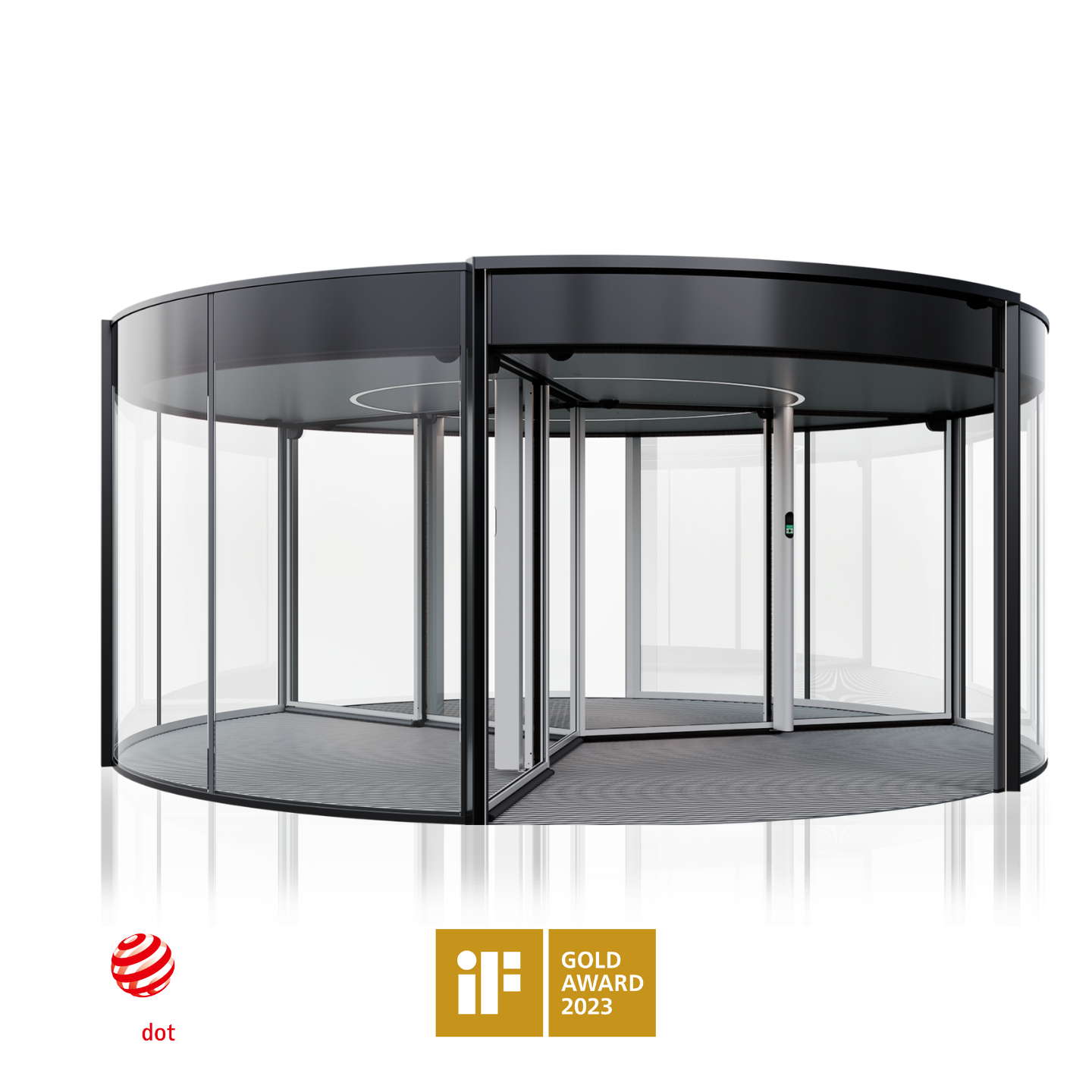
Boon Edam
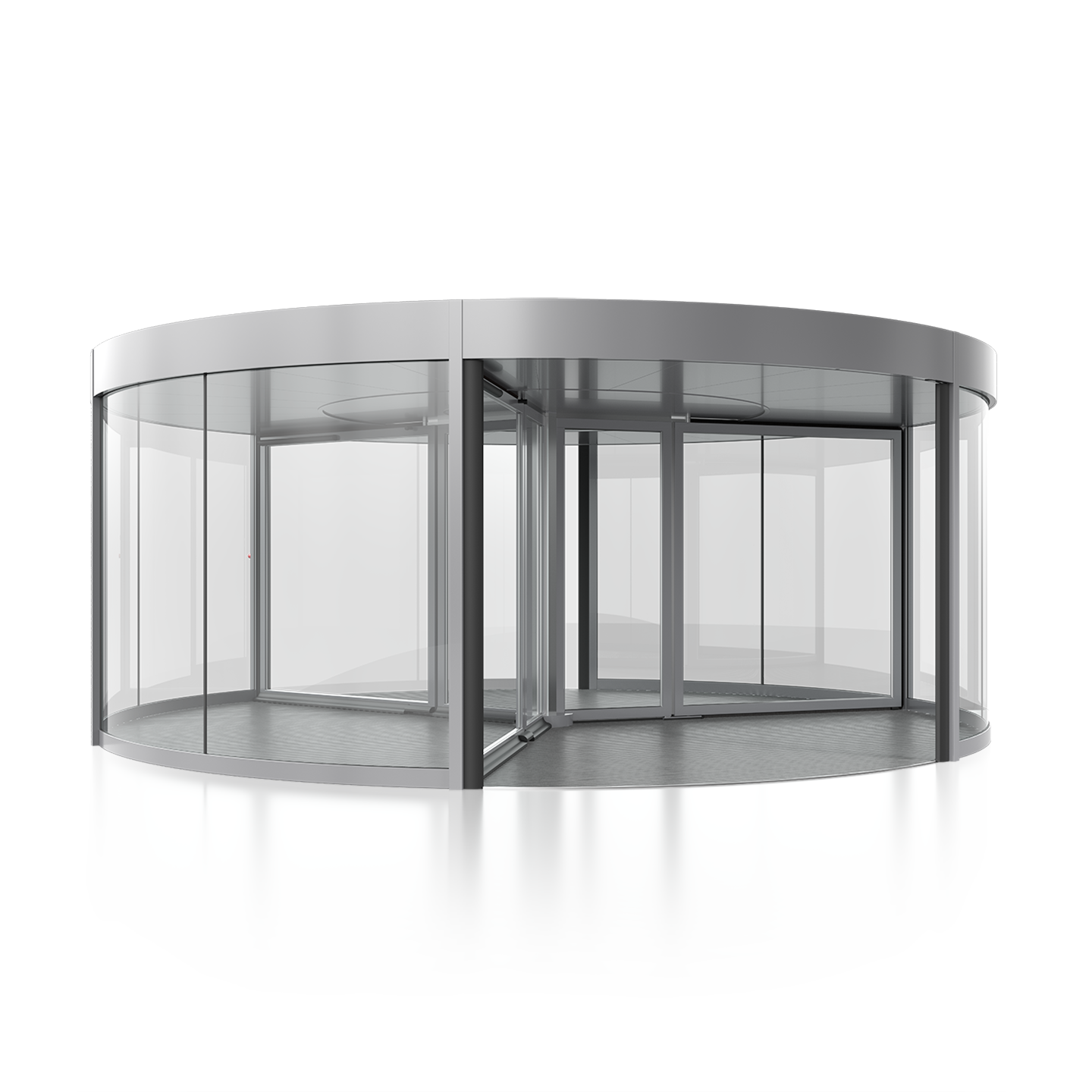
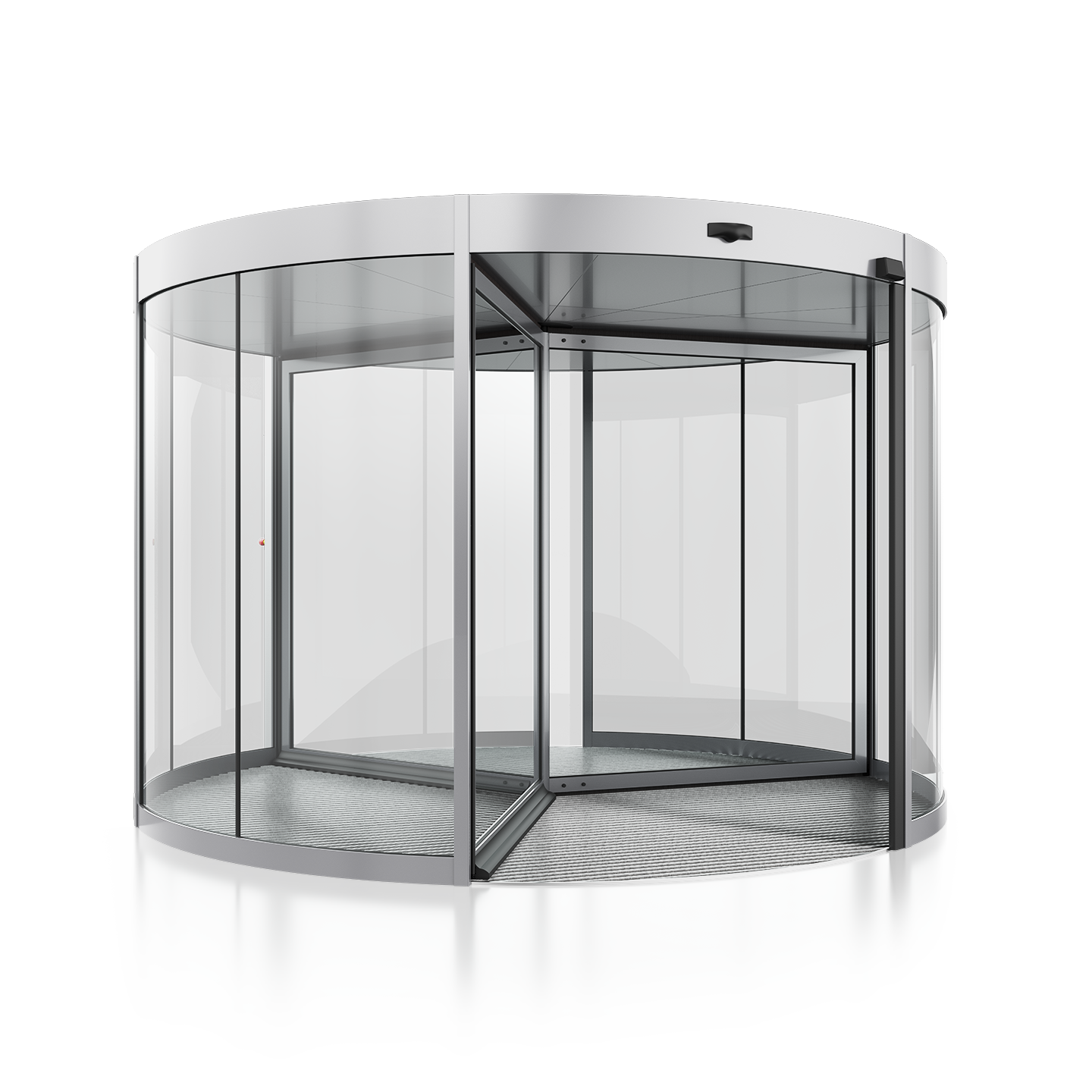
Orbit TriSens
*The Orbit TriSens is a newly launched product by Boon Edam, which is currently being thoroughly tried and tested in a first installation at
Add to Quote for Pricing
Quote-only availability
Questions buyers usually ask about revolving doors
When does the revolving-door category page help most?
When the project already points toward an architectural revolving entry and the open questions are configuration, alternate-entry coordination, site fit, and what still needs review before quoting.
Does this page confirm portal-grade security, accessibility acceptance, or final egress behavior?
No. It keeps secured-entry, alternate accessible entry, egress, code, and authority decisions with current project documents and qualified reviewers.
When should a buyer move to secured-entry or corporate-office planning instead?
Move to secured-entry planning when the unresolved decision is really about deterrence, monitoring, or a portal-style checkpoint, and move to the corporate-office page when the broader lobby program, visitor workflow, or workplace context still owns the next review step.